
Poor posture, movement dysfunction, and core instability can place unnecessary stress on the body and contribute to pain, stiffness, and reduced mobility. Dynamic Neuromuscular Stabilization (DNS) therapy is designed to improve posture, movement control, balance, and spinal stability by restoring healthy movement patterns. Through personalized DNS therapy in Tempe, AZ, patients can improve mobility, support rehabilitation, and enhance overall physical function naturally.
Improve Movement and Stability with DNS Therapy
Every movement the body makes depends on proper coordination between the muscles, joints, and nervous system. When these systems are not working efficiently, compensation patterns may develop that can lead to pain, poor posture, muscle tension, and reduced physical performance.
DNS therapy focuses on improving movement rehabilitation, core stability, and spinal stabilization by retraining the body’s natural movement patterns. Additionally, patients often experience better posture correction, improved balance, enhanced mobility, and greater overall movement efficiency as therapy progresses.
What Is DNS Therapy?
Dynamic Neuromuscular Stabilization (DNS) therapy is an advanced rehabilitation approach based on developmental kinesiology, which focuses on the natural movement patterns developed during early childhood. The goal of DNS therapy is to restore proper movement, improve posture, and strengthen the body’s internal stabilization system through targeted rehabilitation exercises.
Rather than allowing larger muscles to compensate for weakness or instability, DNS therapy helps activate the deep stabilizing muscles responsible for spinal support, balance, and movement control. As a result, patients often experience improved posture correction, better core stability, enhanced mobility, and reduced stress on the spine and joints.
DNS therapy may help support patients experiencing:
- Chronic neck and back pain
- Poor posture and core weakness
- Sports injuries and rehabilitation
- Joint instability and movement dysfunction
- Reduced mobility and flexibility
- Muscle imbalances and repetitive stress injuries
Why DNS Therapy Matters
When the body’s deep stabilizing muscles are not functioning properly, other muscles often compensate to support movement and posture. Over time, these compensation patterns can place additional stress on the spine, joints, and surrounding soft tissues. As a result, patients may experience chronic pain, poor posture, muscle tightness, reduced mobility, and recurring injuries.
DNS therapy focuses on restoring the body’s natural stabilization system by improving coordination between the brain, muscles, and nervous system. Additionally, activating the deep core muscles and spinal stabilizers may help improve posture, enhance balance, support spinal stability, and create more efficient movement patterns. This foundation can play an important role in long-term rehabilitation, injury prevention, and overall physical wellness.
Key Areas Supported by DNS Therapy
- Deep spinal stabilizers
- Deep neck flexors
- Core stabilization muscles
- Diaphragm and breathing mechanics
- Abdominal wall muscles
- Pelvic floor muscles
- Posture and movement control
- Balance and coordination
When these systems work together efficiently, the body can move with greater stability, control, and confidence while reducing unnecessary strain on muscles and joints.
How DNS Therapy Works
DNS therapy uses specific breathing techniques, guided positions, and controlled rehabilitation exercises to retrain the nervous system and improve movement coordination. Rather than focusing only on symptoms, DNS therapy addresses the underlying movement patterns that may contribute to pain, instability, and poor posture.
Additionally, treatment focuses on teaching the body how to activate the correct muscles at the right time during movement. As a result, patients often develop better posture, improved balance, greater core stability, and more efficient movement patterns during daily activities and physical exercise.
Movement and Posture Assessment
Every DNS therapy program begins with a detailed evaluation of posture, breathing patterns, movement control, and areas of muscular imbalance. This assessment helps identify compensation patterns and movement dysfunctions that may be contributing to pain, reduced mobility, or physical limitations.
Activating Deep Stabilizing Muscles
DNS therapy focuses on activating the deep stabilizing muscles responsible for supporting the spine and maintaining proper posture. Through targeted rehabilitation exercises, patients learn to improve coordination between the brain, muscles, and nervous system while developing better movement control.
Restoring Natural Movement Patterns
As therapy progresses, healthy movement patterns are reinforced through repetition and guided exercises. Furthermore, patients often experience improved mobility, reduced muscle tension, better balance, and increased confidence in their everyday movements. Over time, these improvements may support long-term spinal health, injury prevention, and overall physical wellness.
Experience DNS Therapy in Tempe, AZ
At Weisbrod Chiropractic, we use Dynamic Neuromuscular Stabilization (DNS) therapy as part of a personalized approach to chiropractic rehabilitation and long-term wellness. Whether you are recovering from a sports injury, struggling with chronic pain, or looking to improve posture and movement, our team creates customized treatment plans designed around your specific needs.
Patients from Tempe, Mesa, Chandler, Gilbert, Scottsdale, and nearby areas visit our office for advanced chiropractic care and rehabilitation focused on long-term results. Our goal is to help you move better, feel stronger, and return to your daily activities with greater comfort and confidence.
If you are ready to improve movement, reduce pain, and restore stability naturally, contact Weisbrod Chiropractic today to schedule your DNS therapy consultation.
Benefits of DNS Therapy
DNS therapy is designed to improve the way the body moves, stabilizes, and functions during everyday activities. By restoring proper movement patterns and activating the deep stabilizing muscles, patients may experience improvements in posture, mobility, balance, and overall physical performance.
Benefits May Include:
- Improved posture and posture correction
- Better core stability and spinal support
- Reduced neck and back pain
- Enhanced balance and coordination
- Increased mobility and flexibility
- Improved breathing mechanics
- Reduced muscle tension and compensation patterns
- Support for sports injury rehabilitation
- Better movement efficiency during daily activities
- Improved spinal stability and long-term wellness
Supporting Long-Term Movement and Wellness
Many patients choose DNS therapy because it focuses on addressing the root cause of movement dysfunction rather than simply managing symptoms. Additionally, improving movement control and spinal stabilization may help reduce stress on the body and support long-term physical health.
When combined with chiropractic care and rehabilitation therapy, DNS therapy can help patients move more efficiently, recover more effectively, and maintain healthier movement patterns for years to come.
Why Choose Weisbrod Chiropractic for DNS Therapy in Tempe, AZ?
Improving posture, movement, and spinal stability requires more than temporary symptom relief. Our approach focuses on identifying movement dysfunctions, correcting compensation patterns, and helping patients build a stronger foundation for long-term physical health. Through personalized DNS therapy and rehabilitation-focused care, we help patients improve mobility, restore balance, and move with greater confidence.
Every patient receives an individualized treatment plan based on their posture, movement patterns, symptoms, and recovery goals. Whether you are recovering from a sports injury, dealing with chronic pain, or looking to improve athletic performance, our goal is to provide care that supports lasting results and long-term wellness.
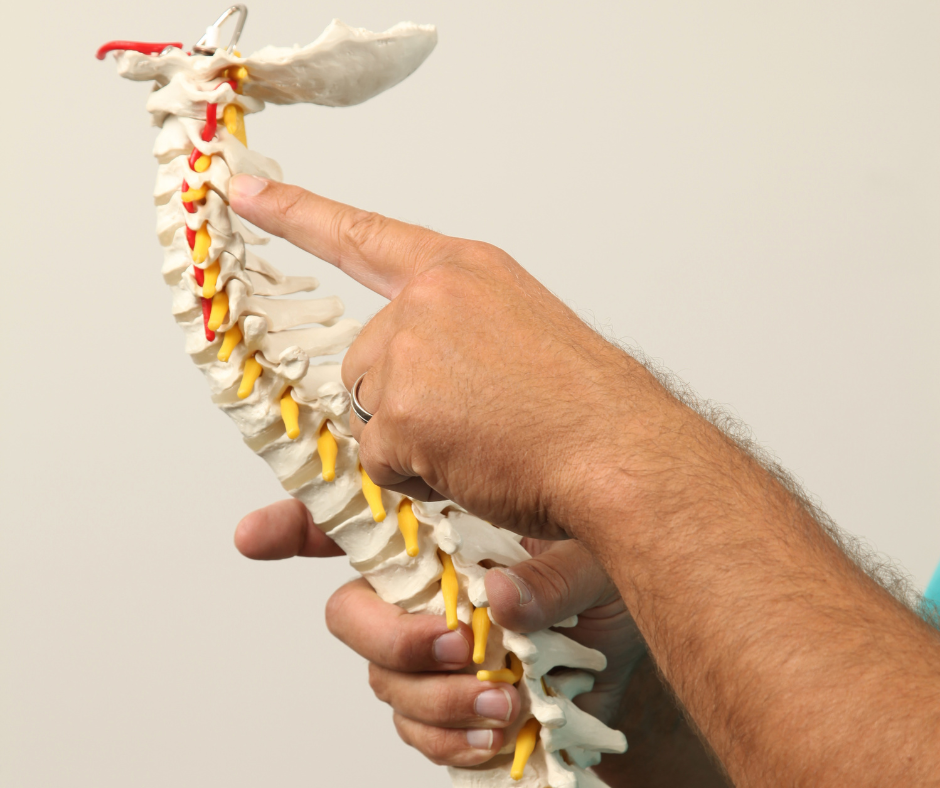
Personalized Rehabilitation and Movement Care
No two patients move the same way. Therefore, DNS therapy programs are tailored to each individual’s needs, helping address posture concerns, movement limitations, and areas of instability. This personalized approach may help improve movement control, reduce muscle tension, and support more efficient physical function.
Focus on Long-Term Stability and Wellness
Our goal is not only to help patients feel better but also to help them move better. By combining DNS therapy with chiropractic care and rehabilitation therapy, we help support spinal stability, posture correction, injury prevention, and long-term physical wellness. Additionally, patients often experience improved balance, mobility, and confidence in their daily activities